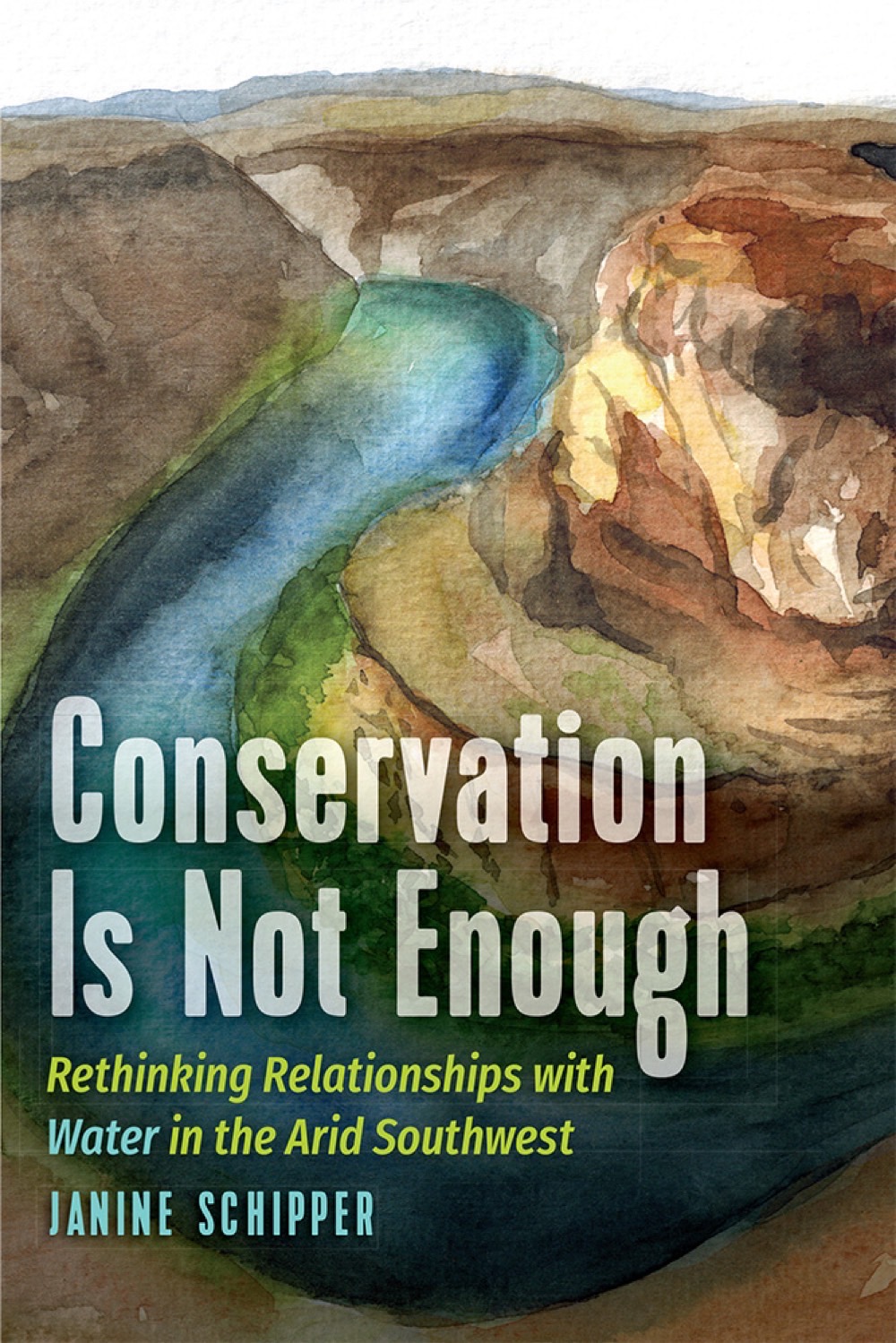
Conservation Is Not Enough
Rethinking Relationships with Water in the Arid Southwest
Accessibility Tools


Practicing Museum Anthropology, Collections Care, and Collaborative Research with Indigenous Peoples
“There is a serious gap in the field for this type of book. It serves as an exemplar of how everyone should be doing this work.”
—Laura Elliff Cruz, head of collections at the Indian Arts Research Center, School for Advanced Research
“This is especially needed guidance; there is nothing comparable.”
—Laura Peers, professor emeritus, Oxford University and former curator of the Americas Collection at the Pitt Rivers Museum
“This book helps undergraduate and graduate students do research, do museum work, and do collaborative projects.”
—Cara Krmpotich, professor of museum studies at the University of Toronto
Posterity Is Now is about doing—about how to do—museum anthropology, collections stewardship, and collaborative research based on working in collaboration with Indigenous communities. Guided by values-centered practice, this book shows how following Indigenous communities’ lead, being flexible, and creating a welcoming environment to build essential relationships can reorient museums to support cultural continuity instead of merely preserving objects.
In this handbook based on over twenty years of teaching and practice at the intersection of museums, anthropology, and Indigenous peoples, Jennifer A. Shannon covers both the theoretical (i.e., exploring the idea of objects as kin) and the pragmatic (i.e., guidelines for how to design and budget collaborative projects). She advocates for fundamental change in how anthropological research design and practice are done within and beyond the museum and how leadership and staff view the very purpose of the museum. She also demonstrates how collaborative museum anthropology can be a model for the fields of anthropology, public scholarship, and social science research more broadly.
Posterity Is Now is a starting point, a “companion to practice,” written in accessible language and equally relevant for use in university classrooms, by qualitative researchers, and by practitioners in museums and cultural centers.


Rethinking Relationships with Water in the Arid Southwest
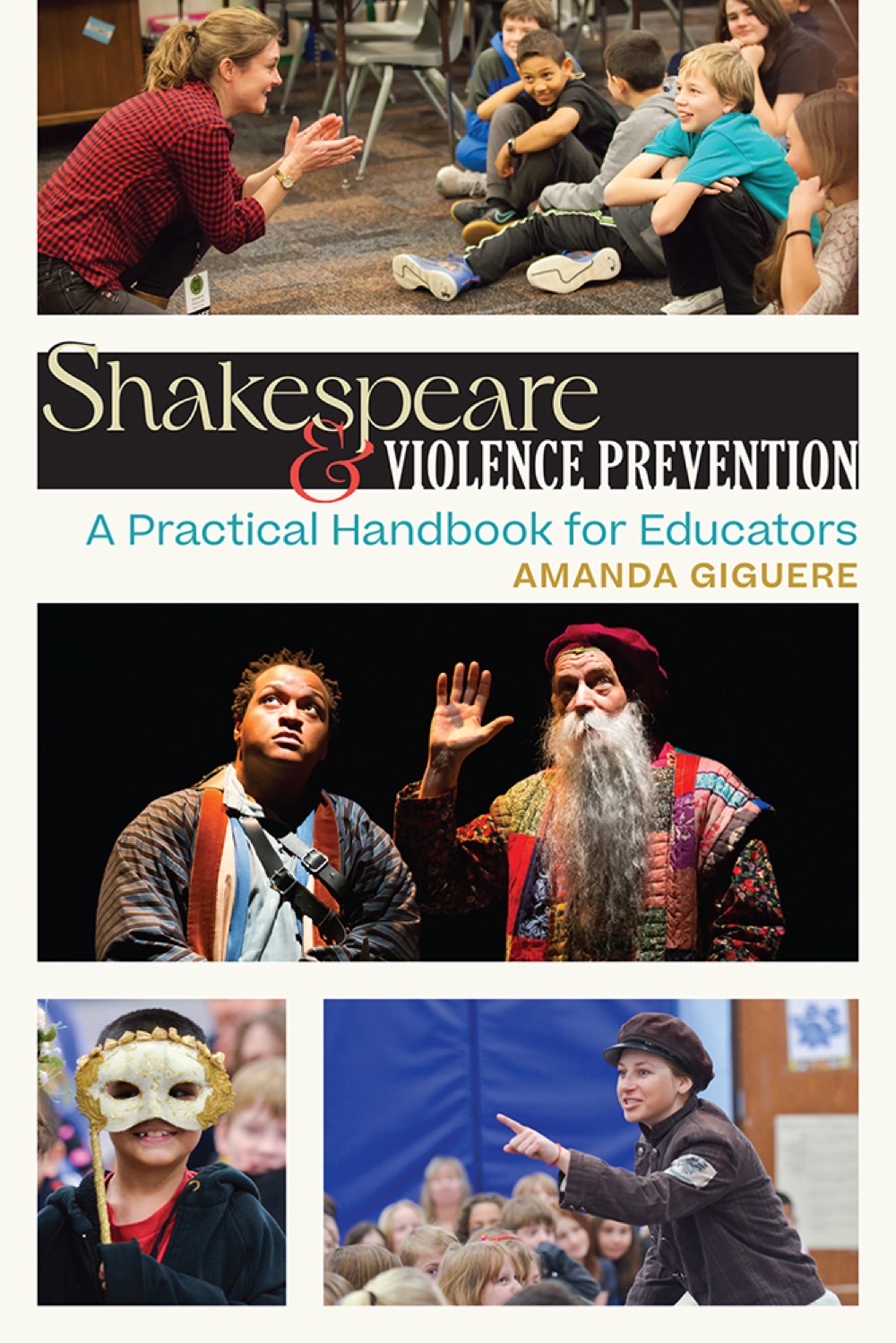
A Practical Handbook for Educators
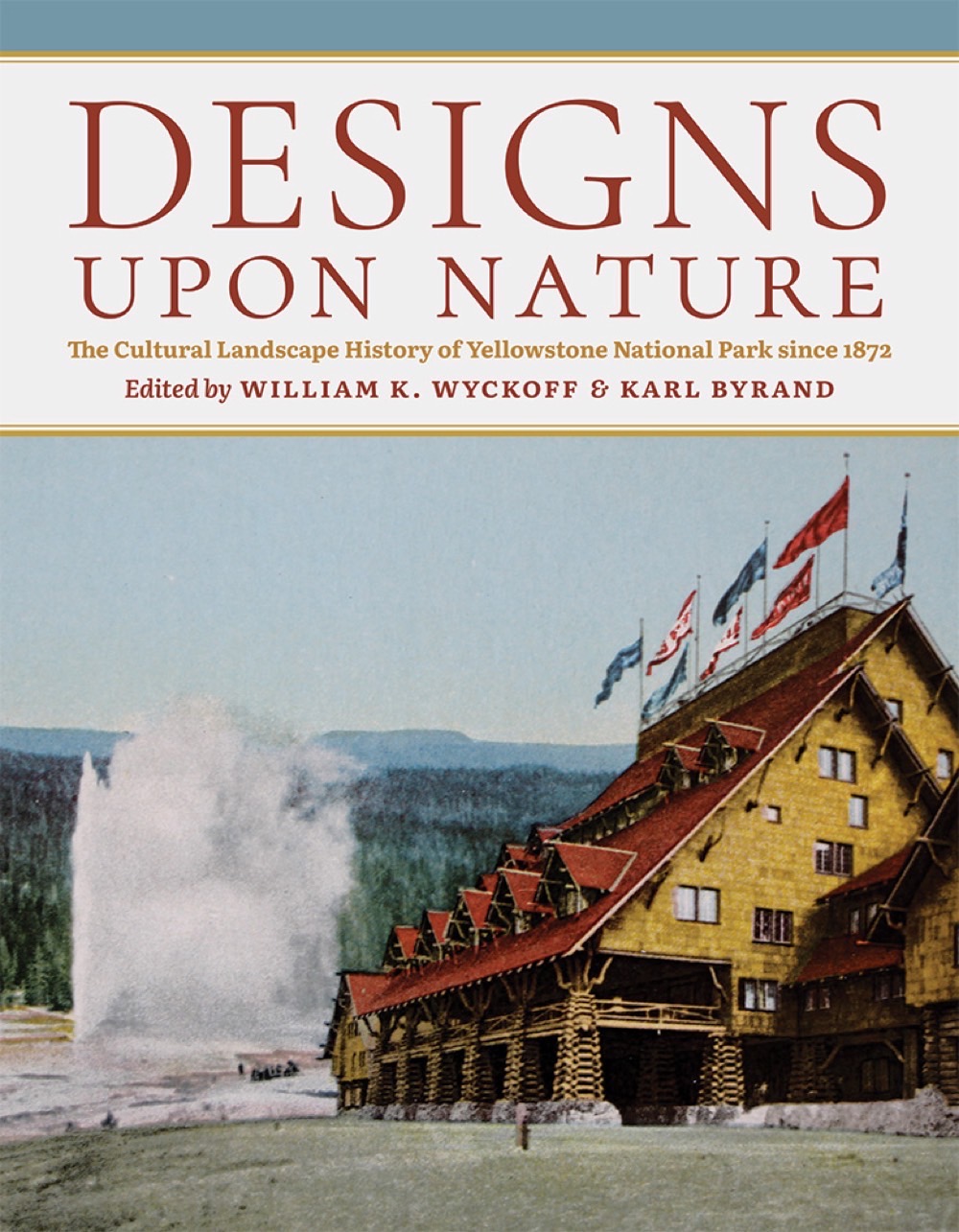
The Cultural Landscape History of Yellowstone National Park since 1872
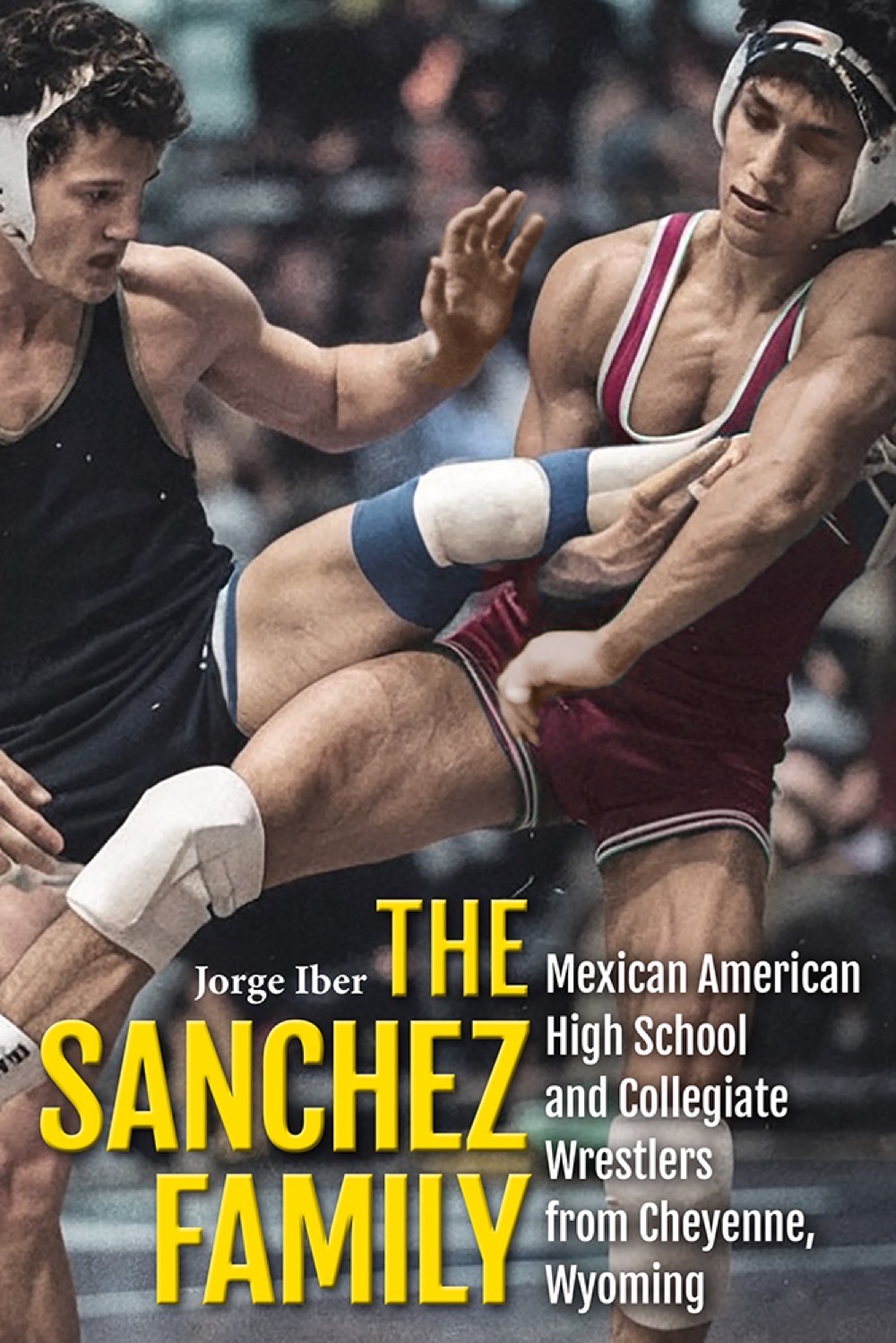
Mexican American High School and Collegiate Wrestlers from Cheyenne, Wyoming


